The spicy Italian Salami has its roots in South Italy. In ancient times to guarantee food supplies during the cold season Italian people used to preserve pork meat by drying it and adding salt to it.
The adding of spicy pepper, the main feature of the salami, came out as a consequence of the New World’s discovery, between the 15th and the 16th century. The spicy pepper spread quickly since it was praised for its quality of slowing the pathogenic microorganisms and for the generally lower cost compared to the other spices.
A further curiosity about this stands out on the term “Pepperoni” used in America to refer to a variant of the spicy salami that is often consumed on pizzas. In this case, the Pepperoni was spread at the beginning of the 19th century by Italo American immigrants and it was heavily inspired by the spicy Italian salami.
Curious to try it? You just need to visit our site and contact us, only by TIPICO IT.
The spicy Italian Salami has its roots in South Italy. In ancient times to guarantee food supplies during the cold season Italian people used to preserve pork meat by drying it and adding salt to it.
The adding of spicy pepper, the main feature of the salami, came out as a consequence of the New World’s discovery, between the 15th and the 16th century. The spicy pepper spread quickly since it was praised for its quality of slowing the pathogenic microorganisms and for the generally lower cost compared to the other spices.
A further curiosity about this stands out on the term “Pepperoni” used in America to refer to a variant of the spicy salami that is often consumed on pizzas. In this case, the Pepperoni was spread at the beginning of the 19th century by Italo American immigrants and it was heavily inspired by the spicy Italian salami.
Curious to try it? You just need to visit our site and contact us, only by TIPICO IT.
Subsequently add the egg yolks, vanilla and powdered sugar.
3
Work the batter and with the dough form a brick that you will let rest for about 20 minutes in the fridge.
4
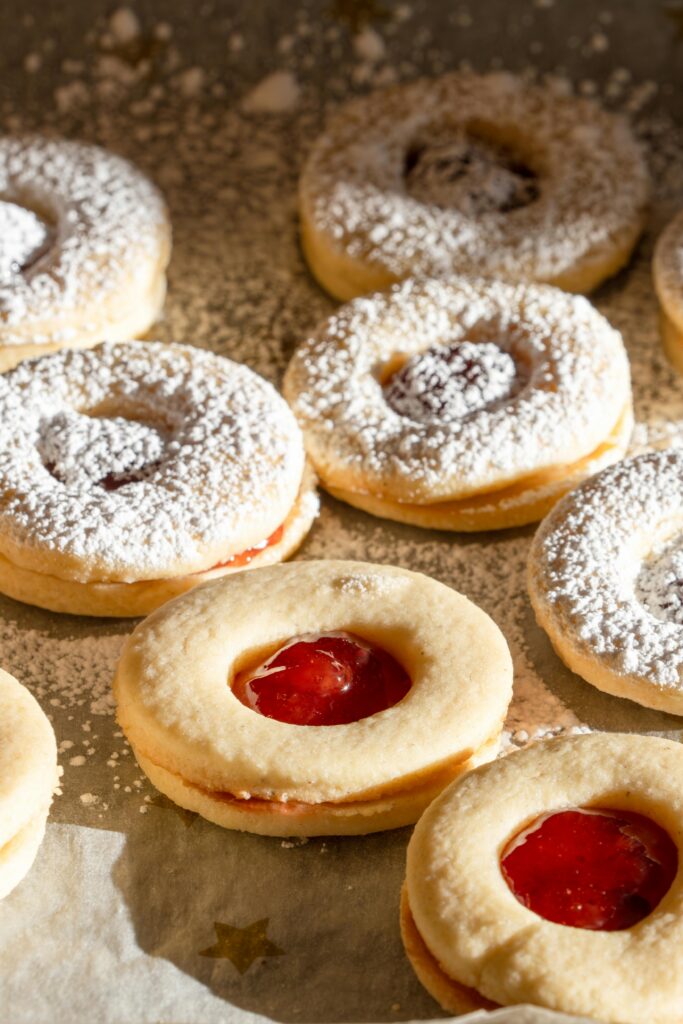
Equip yourself with 2 cookie cutters one of 9-10 cm and the other of 4-5 cm.
5
Work the dough brick on a surface with a rolling pin until obtaining a fine paste.
6
Pierce the dough with the bigger cookie cutter to obtain 20 cookies and with the smaller cookie cutter pierce the centre of 10 cookies out of the 20 that were already cut to obtain the characteristic bull’s eye form.
7
Place the cookies in a lined baking tray and cook them in the oven for about 10 minutes at 200° .
8
Garnish the cookies that are not pierced with some strawberries jam and close them up with the pierced cookies.
9
Serve the cookies.
Condividi:
Quality, authenticity, excellence
Second courses
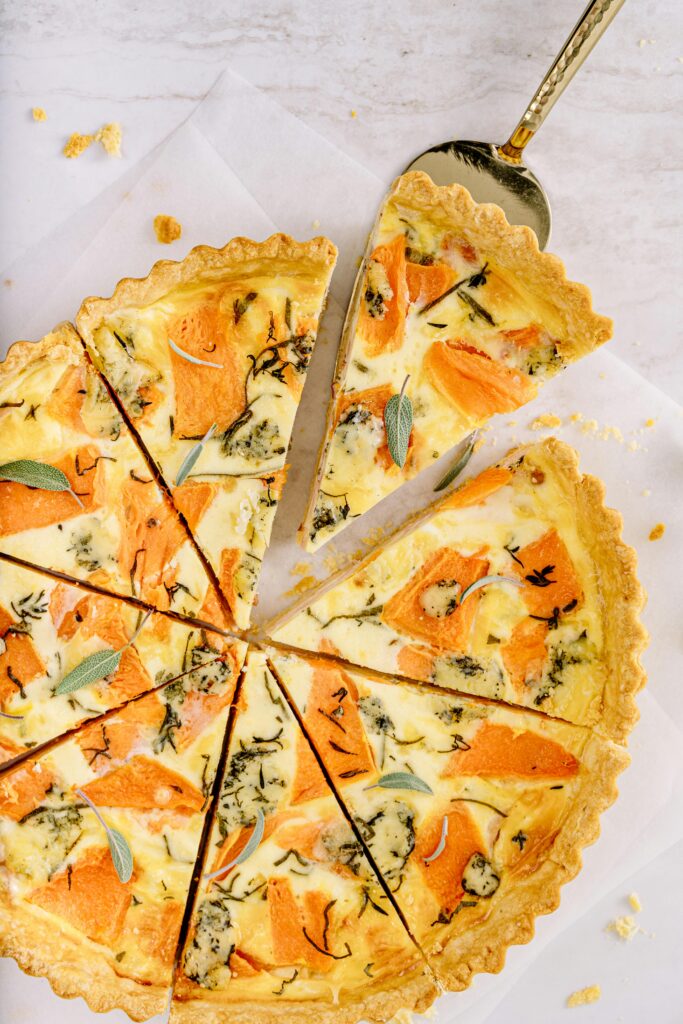
Savoury pie with pumpkin, scamorza cheese and cooked ham
Boil the milk and sufficiently add salt and pepper to it.
2
When boiled add butter to it and gradually add the durum whole wheat.
3
Mix thoroughly until obtaining a lumps free batter.
4
Once well blended, add two yolks and the grated Parmigiano Reggiano.
5
Afterwards, spread the batter on a tray and with a 4/5 cm diameter cookie cutter try obtaining disks 1 cm of width.
6
Preheat the oven at 200° degrees.
7
Lay the gnocchi in a tray covered with butter and sprinkle them on top with some grated Parmigiano Reggiano, cook them in the oven for about 20 minutes.
8
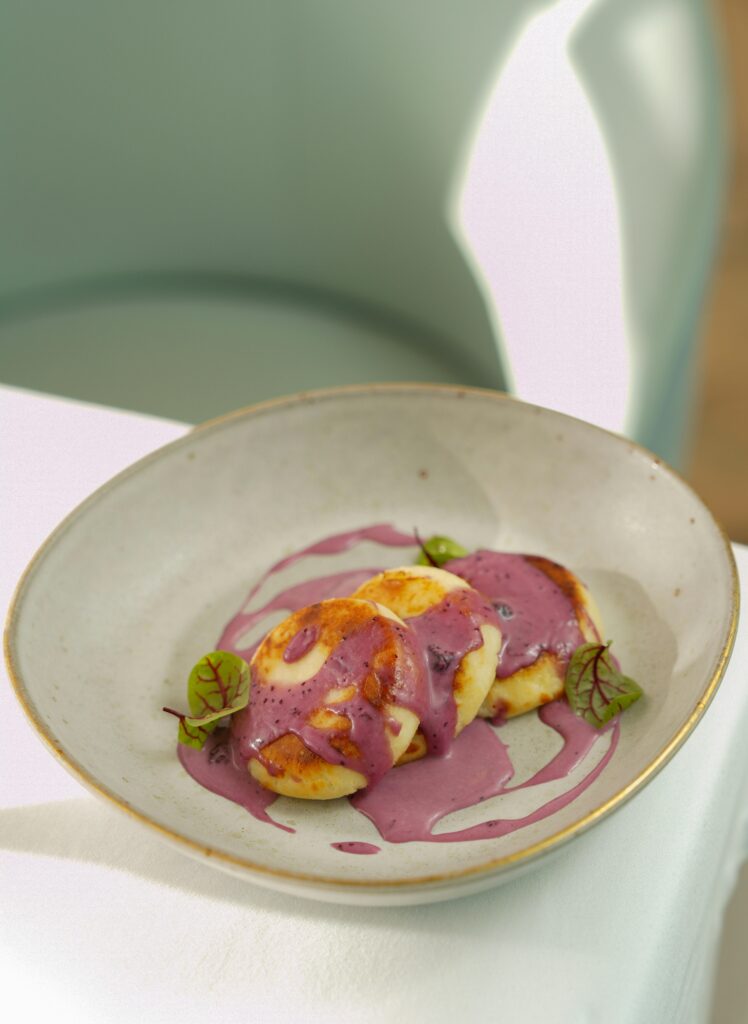
In the meantime, start preparing the pesto, put in a mixer the cooked beetroot, the grated Parmigiano Reggiano, the pine nuts and the olive oil.
9
Serve the gnocchi warm covered as you like with pesto.
The Babà is a leavened pastry bathed in rum with a mushroom-like form. It is a Neapolitan pastry pillar however its origins are rooted in the 17th century Europe.
The history of this dessert connects three different countries: Poland, France and Italy. The Babà was initially created in the 17th century in Poland by King Stanislao Leszczyński who modified an Alsatian dessert named "Kugel Hopf" that resembled the Italian Pandoro, bathing it in liquor because it was considered too dry.
Subsequently, King Stanislaw’s daughter, Maria, decided to move in France and took with her the king’s pastry chef and so, the Babà landed in the 17th century’s France. It gained celebrity and thanks to it some Neapolitan Paris cooks took it to Naples where it was modified and where it acquired its traditional mushroom-like form and the rum’s wet.
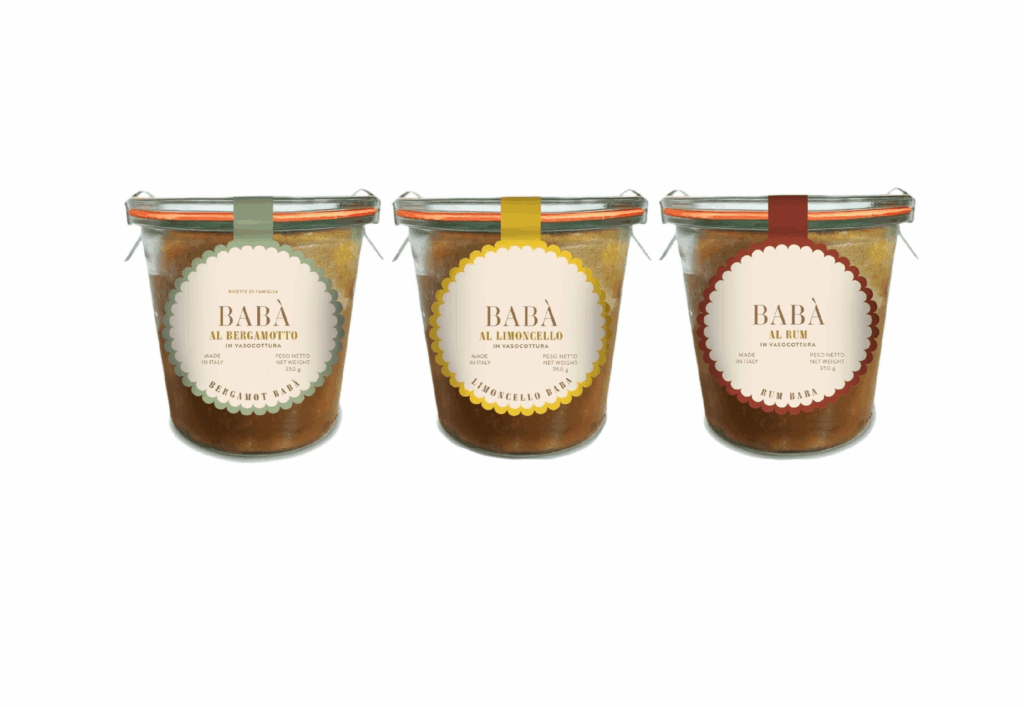
Tipico IT’s Babà are available in cooking pot flavoured with rum, bergamot and limoncello.
Are you curious to try them? All you have to do is to visit our site and contact us, only by Tipico IT.
The Babà is a leavened pastry bathed in rum with a mushroom-like form. It is a Neapolitan pastry pillar however its origins are rooted in the 17th century Europe.
The history of this dessert connects three different countries: Poland, France and Italy. The Babà was initially created in the 17th century in Poland by King Stanislao Leszczyński who modified an Alsatian dessert named "Kugel Hopf" that resembled the Italian Pandoro, bathing it in liquor because it was considered too dry.
Subsequently, King Stanislaw’s daughter, Maria, decided to move in France and took with her the king’s pastry chef and so, the Babà landed in the 17th century’s France. It gained celebrity and thanks to it some Neapolitan Paris cooks took it to Naples where it was modified and where it acquired its traditional mushroom-like form and the rum’s wet.
Tipico IT’s Babà are available in cooking pot flavoured with rum, bergamot and limoncello.
Are you curious to try them? All you have to do is to visit our site and contact us, only by Tipico IT.
Start with the preparation of the ragu, fill a pan with some olive oil and let a clove of garlic and a finely chopped onion brown.
2
Add 300 g of ground boar beef and add salt and pepper sufficiently.
3
Subsequently add 350 gr of tomato pulp and let the ragu cook at low heat for about an hour and a half.
4
Once cooked, let it rest for a while and start with the preparation of the lasagna, in a baking tray lay the lasagna sheets down and spread the sheets with ragu and bechamel sauce.
5
Finish with a sprinkle pf Grana Padano.
6
Put the lasagna in the oven and let it cook at 200 ° for about 30 minutes.
7
Serve the lasagna warm.
Condividi:
Sign up to our newsletter
Do you want to receive the latest news, offers, new products or delicious recipes? Enter your email.